
Plenary speakers
We are proud to introduce the following plenary speakers at TERMIS-AP 2026
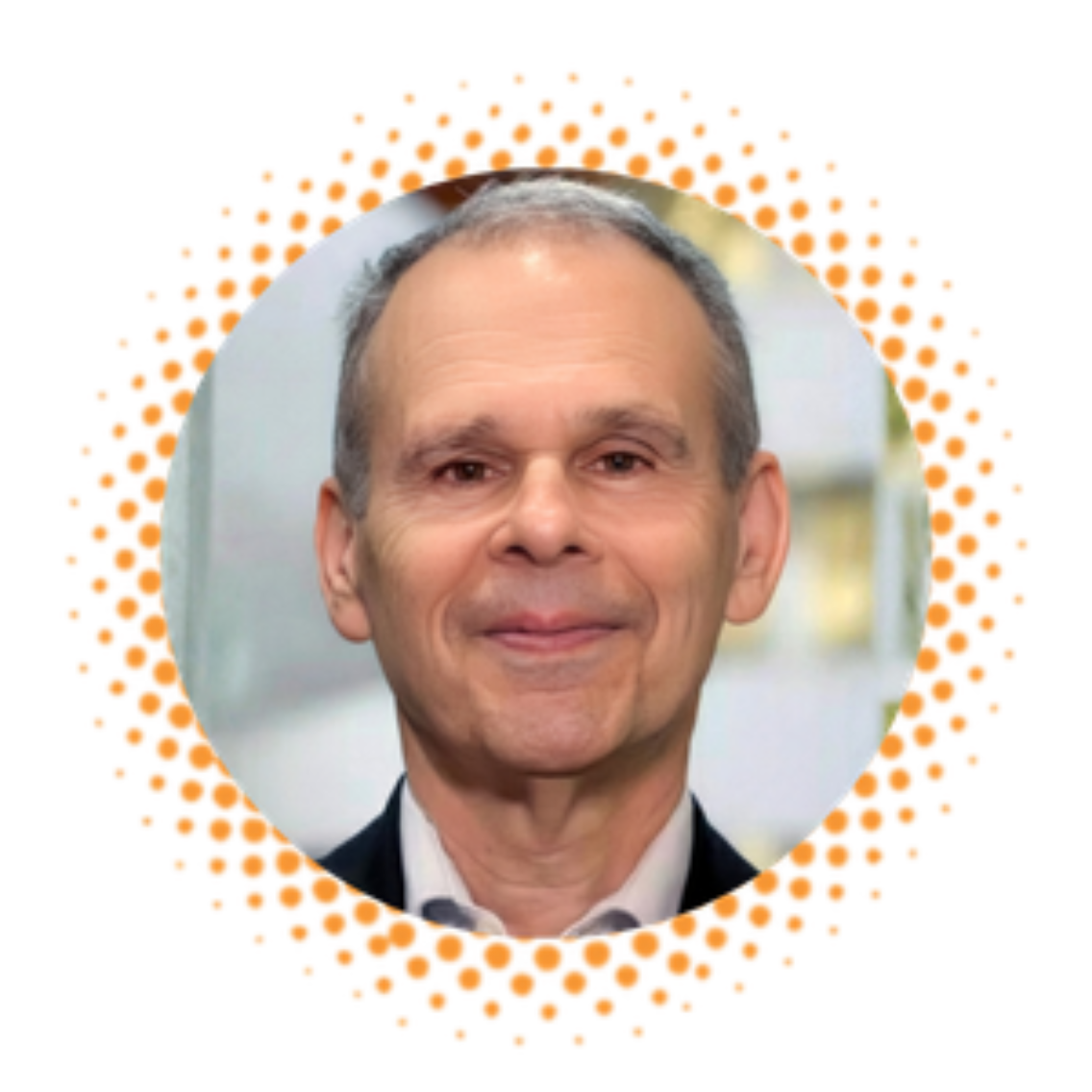
Professor Tony Weiss
Professor Anthony (Tony) Weiss PhD AM FAA FTSE FAHMS FRSN FRACI FRSC FRSB FAIMBE FNAI FBSE FTERM is the McCaughey Chair in Biochemistry, NHMRC Leadership Fellow, and Professor of Biochemistry & Molecular Biotechnology. He leads the Tissue Engineering & Regenerative Medicine program within the Charles Perkins Centre at the University of Sydney.
The Weiss Laboratory at the University of Sydney is the world-leading research site for tropoelastin and synthetic elastin biomaterials. His work focuses on human tropoelastin, the component that provides tissue elasticity and significantly enhances the repair of scars and wounds. Funded by premier grants from Australia and around the globe, the laboratory thrives on the contributions of a high-calibre team of competitively placed postdocs, postgraduate students, and technical staff.
He is a Fellow of Tissue Engineering & Regenerative Medicine (FTERM) and current Chair of FTERM, former President of the Tissue Engineering and Regenerative Medicine International Society (TERMIS), former Chair of TERMIS Asia Pacific, and former President of MBSANZ. Professor Weiss is a rare ‘Triple Fellow’ of Australia’s 3 scientific Academies: he is a distinguished Fellow of the Australian Academy of Science, Australian Academy of Technological Sciences and Engineering, Australian Academy of Health and Medical Sciences,
Professor Weiss founded the clinical-stage biotechnology company Elastagen Pty Ltd, which was acquired by Allergan/AbbVie in one of the largest life science transactions in Australian history.
Professor Weiss serves on 14 Editorial Boards and is the inventor of 174 awarded international patents across 23 patent families, and received numerous prestigious awards including; the Order of Australia, Prime Minister’s Prize for Innovation, NSW Premier’s Prize for Science & Engineering Leadership in Innovation, and the Eureka Prize for Innovation in Medical Research. Professor Weiss has been honoured with the Australian Academy of Science’s Ian Wark Medal, the Australian Academy of Technological Sciences and Engineering’s Clunies Ross Medal, the Australian Society for Biochemistry and Molecular Biology's Lemberg Medal, and the Vice Chancellor’s Award for Excellence. He has also been an NIH Fogarty International Fellow and Fulbright Scholar.
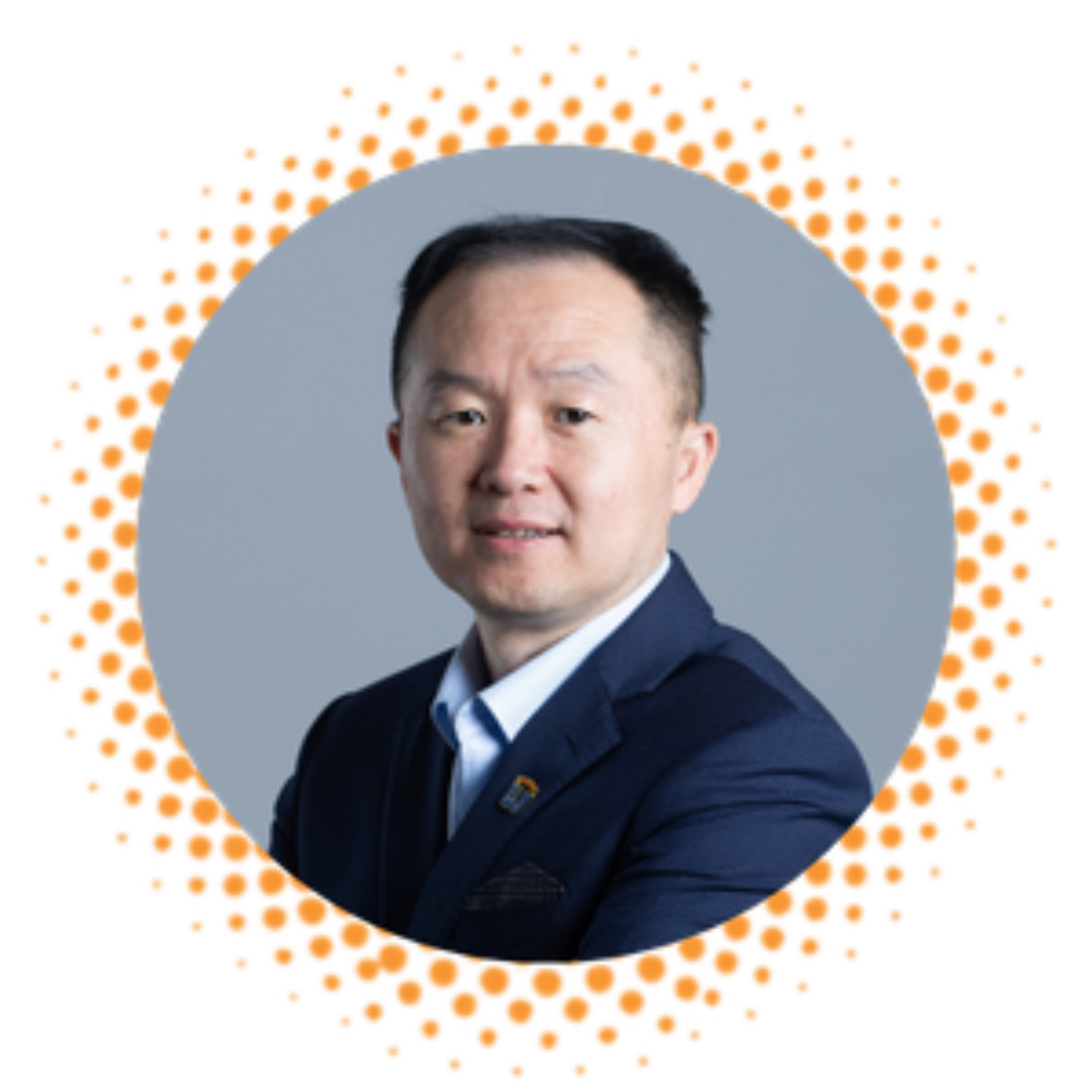
Professor Jian Yang
Dr. Jian Yang is a Chair Professor of Biomaterials and Regenerative Engineering, Department Chairof Materials Science and Engineering, and an Associate Vice President at the Westlake University. Prior to Westlake, he was a Professor of Biomedical Engineering and Dorothy Foehr Huck and J. Lloyd Huck Chair in Regenerative Engineering at the Pennsylvania State University. Dr. Yang is known for his contribution to citrate chemistry and biology for the development and applications of citrate-based biomaterials. He was a recipient of NSF CAREER Award (2010), Outstanding Young Engineering Faculty Award at UTA (2011), PSEAS Outstanding Research Award at Penn State (2018), BMES Wallace H. Coulter Award for Healthcare Innovation Award (2023), and Society for Biomaterials Clemson Award for Contributions to the Literature (2026). Dr. Yang is an elected Fellow of American Institute of Medical and Biological Engineering (AIMBE, 2016), the National Academy of Inventors (NAI, 2018), the Biomedical Engineering Society (BMES, 2020), the American Association for the Advancement of Science (AAAS, 2021), and the International Academy of Medical and Biological Engineering (IAMBE, 2023). Dr. Yang is a Co-Editor-in-Chief of “Bioactive Materials”, and an Associate Editor of “Science Advances”.
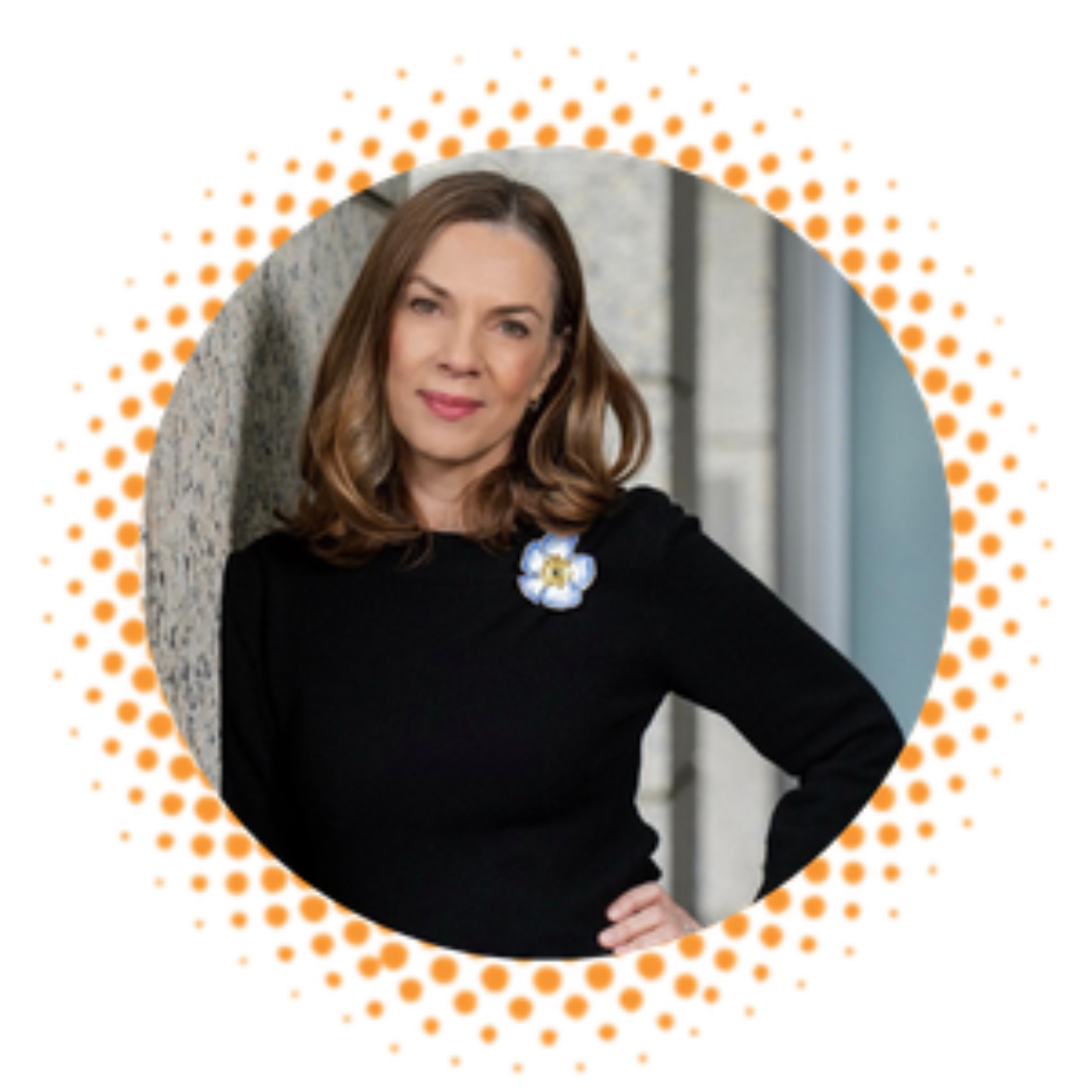
Professor Magdalena Zernicka-Goetz
Magdalena Zernicka-Goetz is the Bren Professor of Biology and Biological Engineering at the California Institute of Technology. A leading developmental biologist, she completed postdoctoral training at the University of Cambridge with Nobel Laureates Martin Evans and John Gurdon, and led her own lab at Cambridge for twenty years. Her research has redefined the understanding of early mammalian development, revealing cellular heterogeneity in the early embryo, the role of epigenetic mechanisms in cell fate determination, and the processes by which aneuploid cells are selectively eliminated. Her lab was the first to establish a culture system that supports human embryo development beyond implantation up to the legal 14-day limit, and pioneered development of stem cell-based embryo models. She has published over 200 scientific papers, and her many honors include the 2023 Ogawa-Yamanaka Stem Cell Prize and the 2025 ISSCR Public Service Award.